Artisan Market Garden in Underhill, Vermont
Geoff Daniel is a gardener on a mission to replace the industrial food systems with healthy local food communities by growing plants as close to the way nature intended.
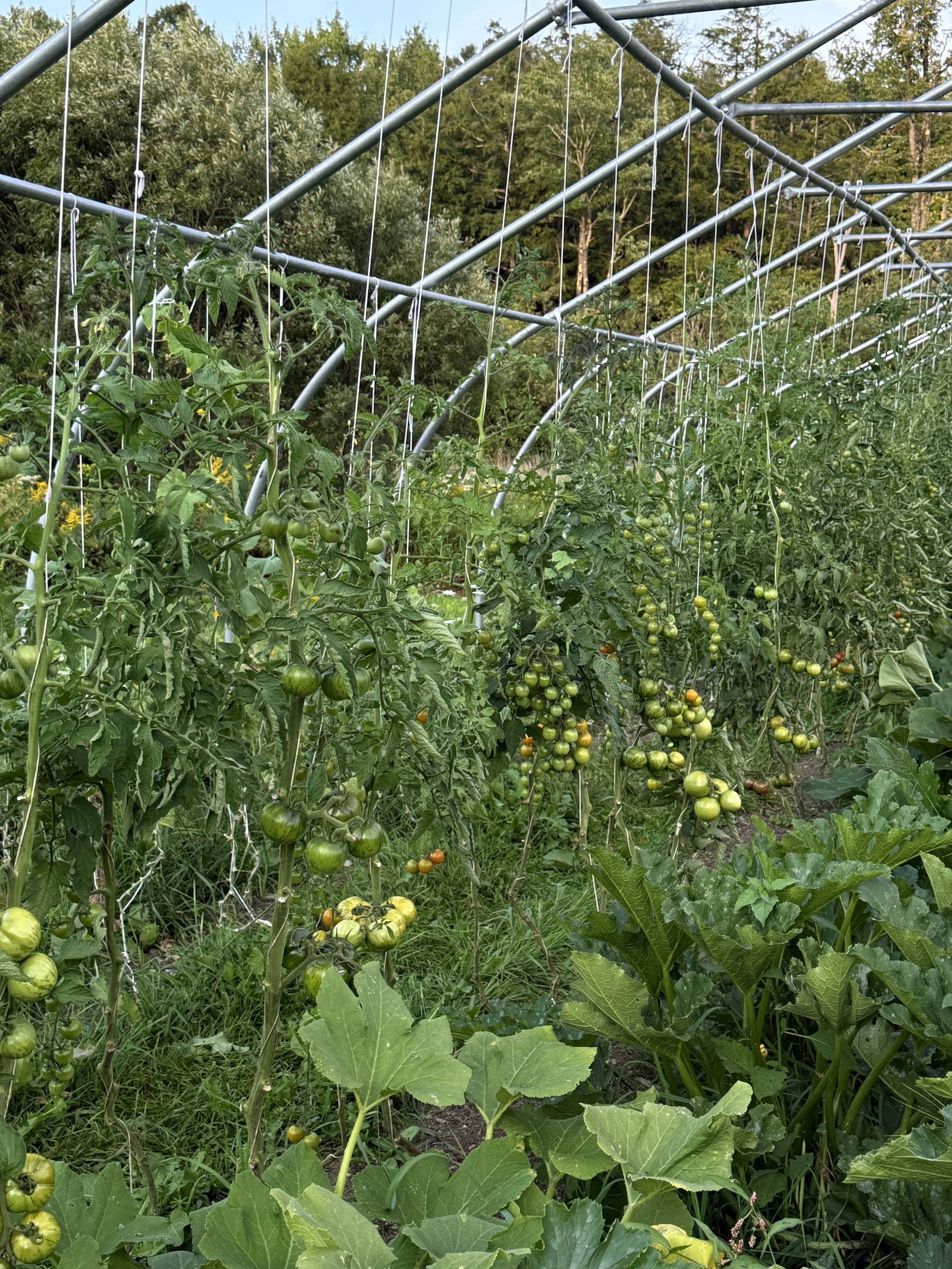
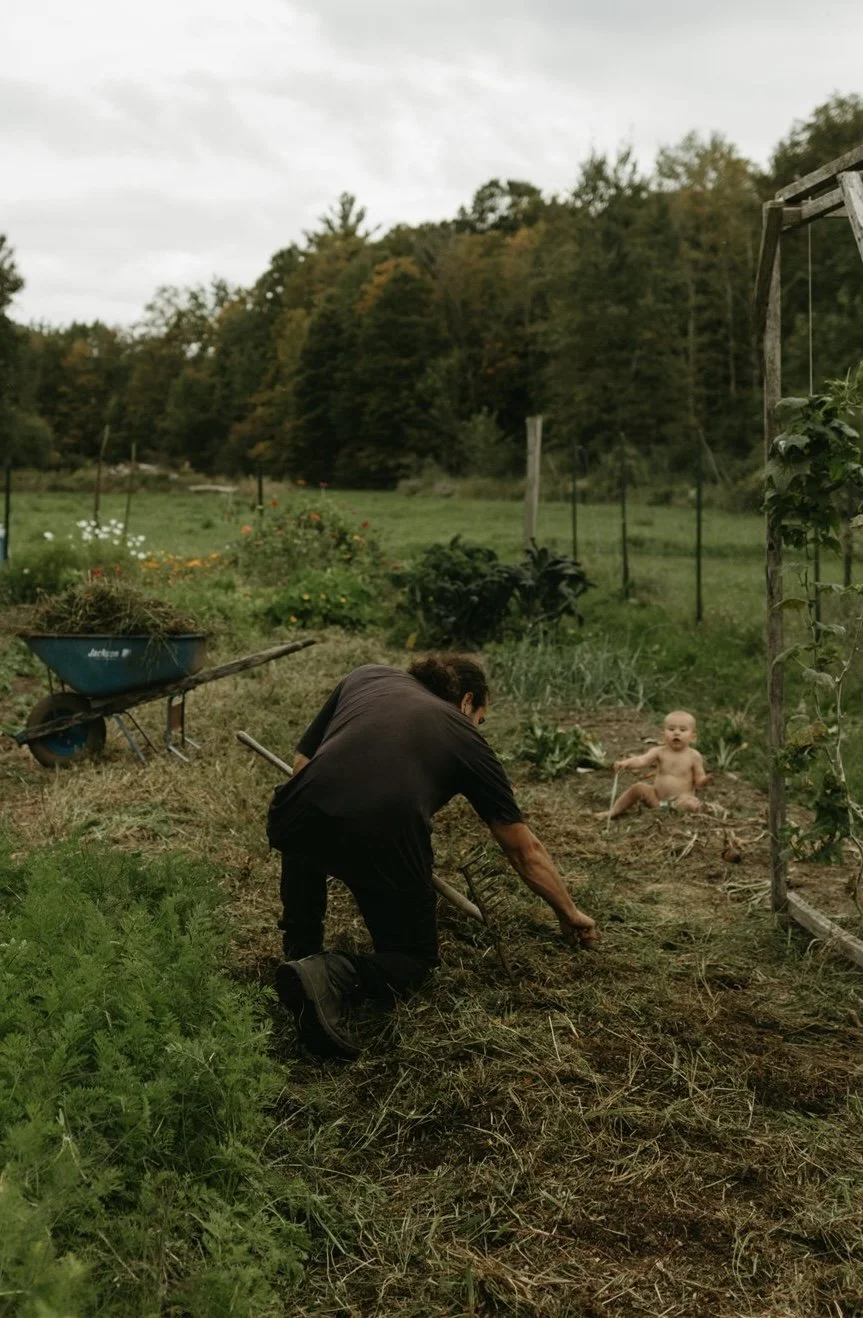
At Wood & Water Market Garden he grows vegetables without any chemicals or GMO’s, and as little plastic and machinery as possible. Using a combination of no-till and regenerative methods, and fertilizers made from wild harvested local plants. .
-
Plants are genetically modified to withstand the problems created by the profit over planet method of modern chemical mono-crop agriculture; drought, barren soil, and proliferation of “pests” and “weeds”. GMOs are not meant to “feed the planet”, they are meant to make large chemical and bio-engineering corporations money by patenting seeds, poisoning the ecosystem, and putting farmers into economic slavery.
Not to mention studies are coming out confirming GMO plants are a hazard to human health.
Why?
Growing a diverse variety of crops supports a diverse variety of “pests” and “weeds” that keep their own populations in check. This process supports pollinators that are killed by the chemicals sprayed on GMO crops. When a farmer saves a seed he saves money that can be reinvested into a farm that supports the ecosystem rather than a company that supports profits.
Vegetables that have not been genetically modified are also free from many of the adverse effects that studies are revealing such as: toxicity, allergic reactions, antibiotic resistance, immuno-suppression, cancer, and loss of nutrition.
Further Reading:
https://www.centerforfoodsafety.org/issues/311/ge-foods/ge-food-and-your-health
https://www.responsibletechnology.org/gmo-dangers/65-health-risks-of-gm-foods/
-
Tilling destroys the soil's natural structure; an intricate network created by plant roots, organic matter, and soil life for the purpose of retaining water, nutrients, and preventing dry compacted soil and erosion. This makes the soil dry, lifeless and void of nutrients.
WHY?
undisturbed soil becomes full of life. When plant roots that are left behind get broken down by beneficial microbes, the soil becomes aerated, carbon is sequestered, absorption of water and oxygen is increased as well the amount of nutrients that future plants will be able to access. Nature flourishes and cycles the way it is meant to.
Further Reading:
https://kisstheground.com/a-closer-look-regenerative-agriculture-practices-part-1/
-
Many synthetic chemical fertilizers are inorganic by-products of the petroleum industry. Or refined from sewage. They runoff into the waterways throwing the natural ecosystem out of balance. This is a vicious cycle on a downwards spiral.
The use of kill chemicals (herbicides and pesticides) transfers to the end users. Constant dosage of herbicides and pesticides over an extended period of time is proven to be detrimental to all life, in more ways than one.
Goodbye bees, goodbye hormones.
Why?
Just as the layers of organic matter that fall each year fertilize the forest, the layers of compost added to a garden mimic the process and feed the vegetables planted. Adding components to the compost such as kelp and crab meal and dynamic accumulators such as comfrey and burdock will make a nutrient rich compost that will feed the soil and vegetables all they need.
Rotating a variety of vegetables and herbs that use and leave behind different nutrients is not only a great way of maintaining fruitful soil, it also can reduce pest problems.
Further Reading:

By supporting local gardens and farms, you’re supporting the health of yourself, your community and the land — you are becoming a part of a system based on symbiosis with nature that will regenerate the environment and leave healthy land for future generations.
Here are some of the benefits:
Your money stays in local circulation. less money to industrial farms with planet destroying practices.
Eliminating single use plastic. Your vegetables are packaged in paper, cardboard, or tied with organic wool; all of which can be recycled or composted.
The vegetables are more nutritious! having gone from the garden to your plate in the matter of a day or two, they retain nutrients that are lost during cross country transportation.
Buying your produce locally reduces fossil fuel and refrigeration used by large trucks and planes to transport across the country.
Supporting a garden that regenerates the land. undisturbed soil, reduces compaction and the need for irrigation, reduces erosion, and stores carbon from the atmosphere. the increase in soil structure and organic matter leads to flourishing micro organisms that unlock nutrients for the vegetables.
supporting biodiversity! There are many types of vegetables, herbs, and flowers grown small scale. This supports a web of pollinators and micro organisms that keep each other in check.
eliminating the use of pesticides and chemical fertilizers from the environment. The chemicals used in industrial agriculture kill. Many are the leftovers from chemical warfare repurposed. They kill plants, animals, insects, soil microbes, and end up in the water supply.